For many in Ealing, local history is not just something preserved in archives or street names – it’s all around us, visible in our parks, high streets and the diverse faces of neighbours old and new. But Ealing’s roots run deep. What we now recognise as a distinctive corner of Greater London began life as a rural parish with medieval origins, and its journey since then is one every resident, new or established, can appreciate.
Long before becoming part of London, Ealing was marked out on medieval maps as a parish in Middlesex. St Mary’s Church, which still stands today, traces its roots to at least the early 1100s – a testament to centuries of settlement. Manor estates such as Gunnersbury and Pitshanger were familiar landmarks when the area was all fields and farmland, and the Uxbridge Road, now lined with homes and shops, followed the route of an ancient trackway.
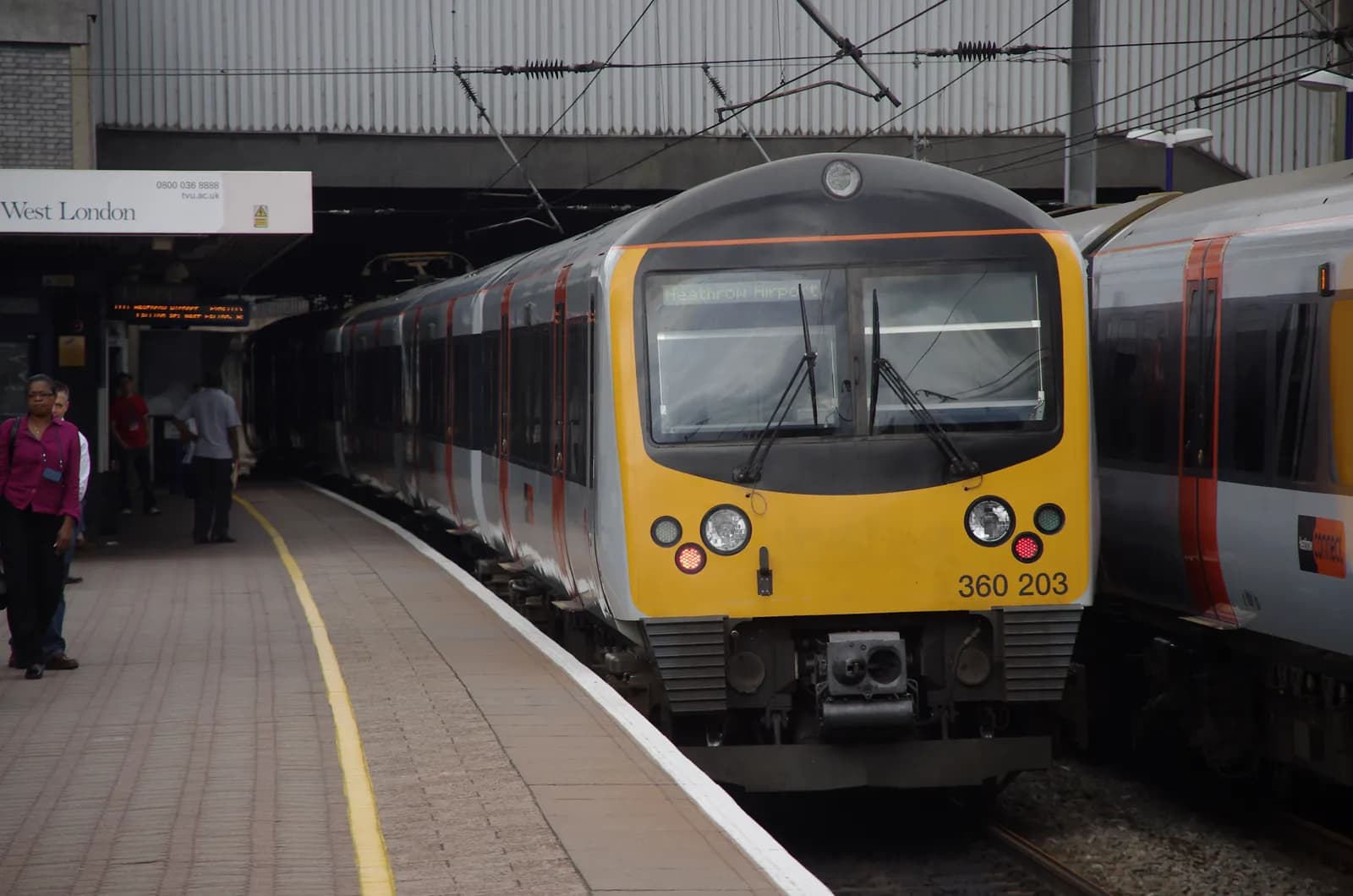
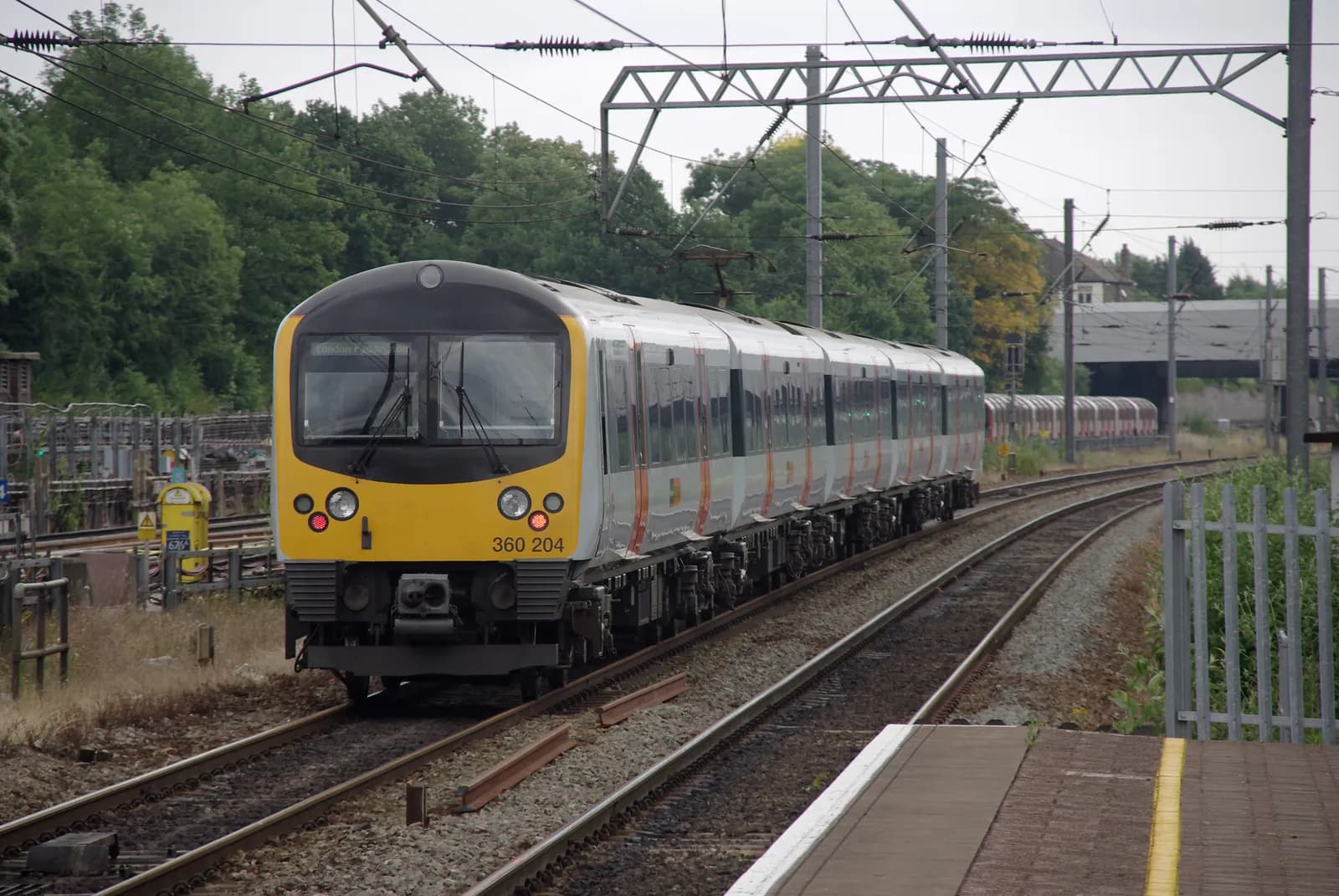
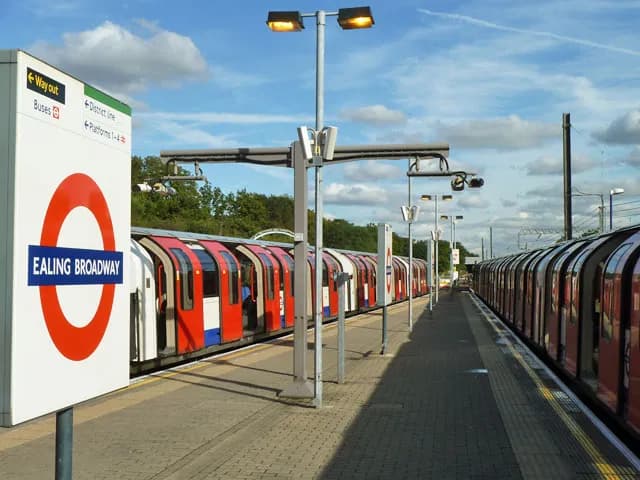
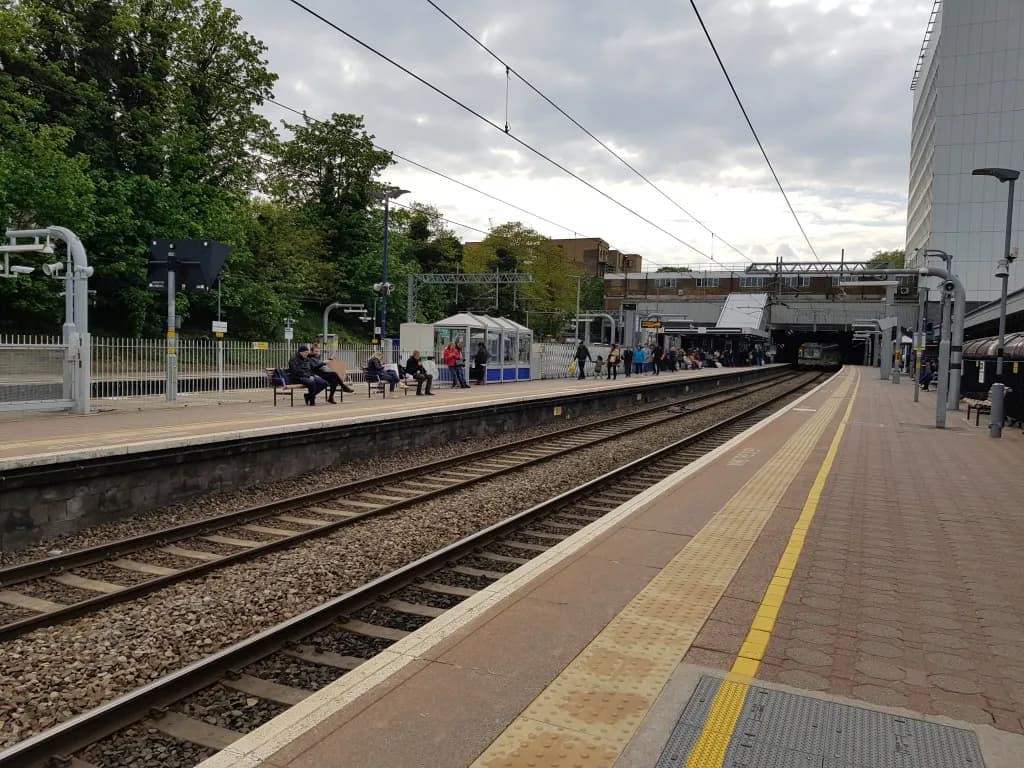
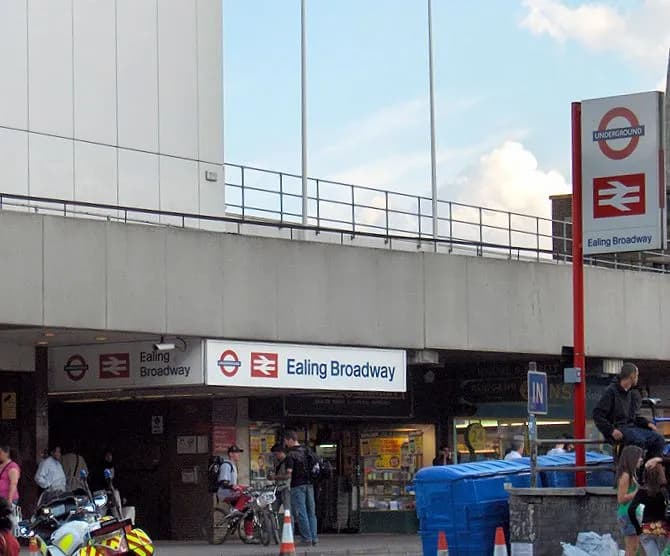
The biggest single shift in Ealing’s story came in 1838, when Ealing Broadway station opened on the newly built Great Western Railway. This brought waves of change. Suddenly, journeys to central London were quick and reliable, and houses began to appear along main routes, most notably the Uxbridge Road. Suburban living, at that time a novelty, soon defined Ealing’s direction. Victorian builders were quick to spot its appeal, transforming fields into new neighbourhoods as commuters discovered the area’s promise. By the late 19th century, Ealing was no longer a quiet outpost but a fast-growing suburban town.
Modern Ealing owes much to the ambitions of its early 20th century residents. In 1901, Ealing was granted the status of a borough, signalling local pride and the desire for self-government. That same year saw the opening of Walpole Park and the arrival of electric trams, both helping shape Ealing’s identity as a leafy and forward-thinking place to live. The area’s reputation as the “Queen of the Suburbs” was well earned.
The boundaries of Ealing grew as well. On the eve of World War Two, places like Hanwell, Greenford, Perivale and Northolt were brought within Ealing’s fold, broadening its character. Later, in 1965, Ealing merged with Acton and Southall, creating the present-day London Borough of Ealing and enhancing its role within London itself.
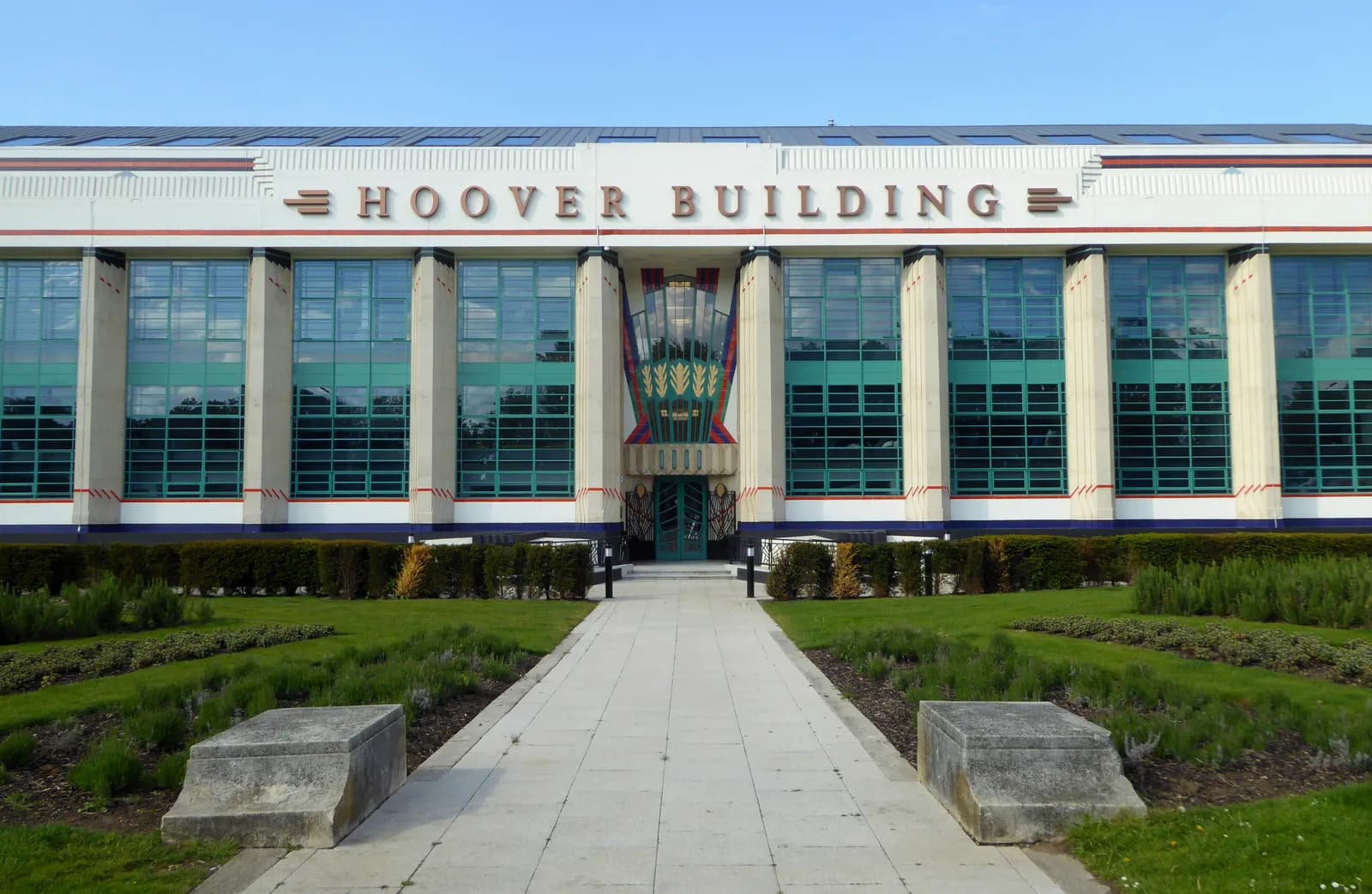
Industry played its own part, especially in Greenford and Perivale during the 1920s and 1930s, but the greatest changes came after the Second World War. First, new arrivals from the Caribbean joined the community to help rebuild London. In the decades that followed, families from India, Pakistan, Poland and beyond made Ealing home, adding new layers to the area’s society, culture and local businesses.
Today, Ealing’s appeal reflects all those stories – from ancient churches and elegant parks to lively high streets and welcoming communities. Its history is one of adaptation and connection, of local pride and openness to newcomers. If you step out along the Uxbridge Road, pause by St Mary’s, or visit Walpole Park, you’re walking through the living history of a place proud to be called the Queen of the Suburbs.