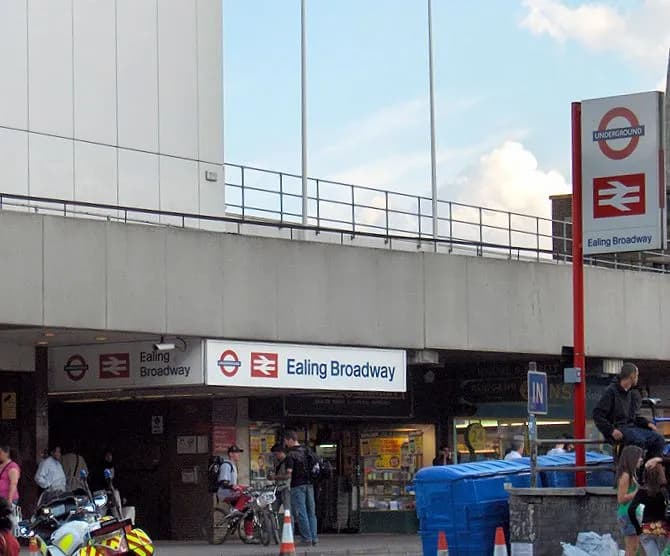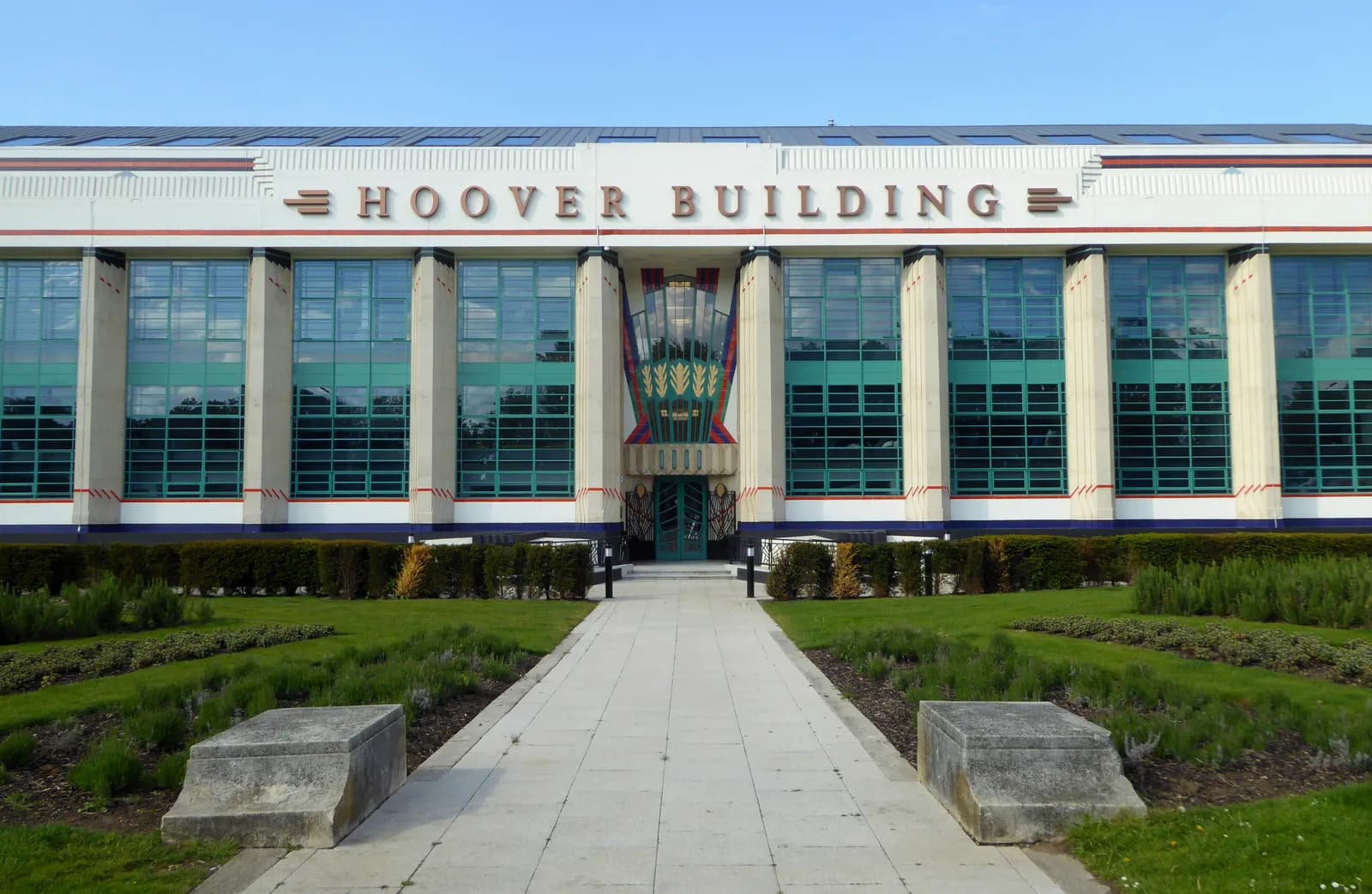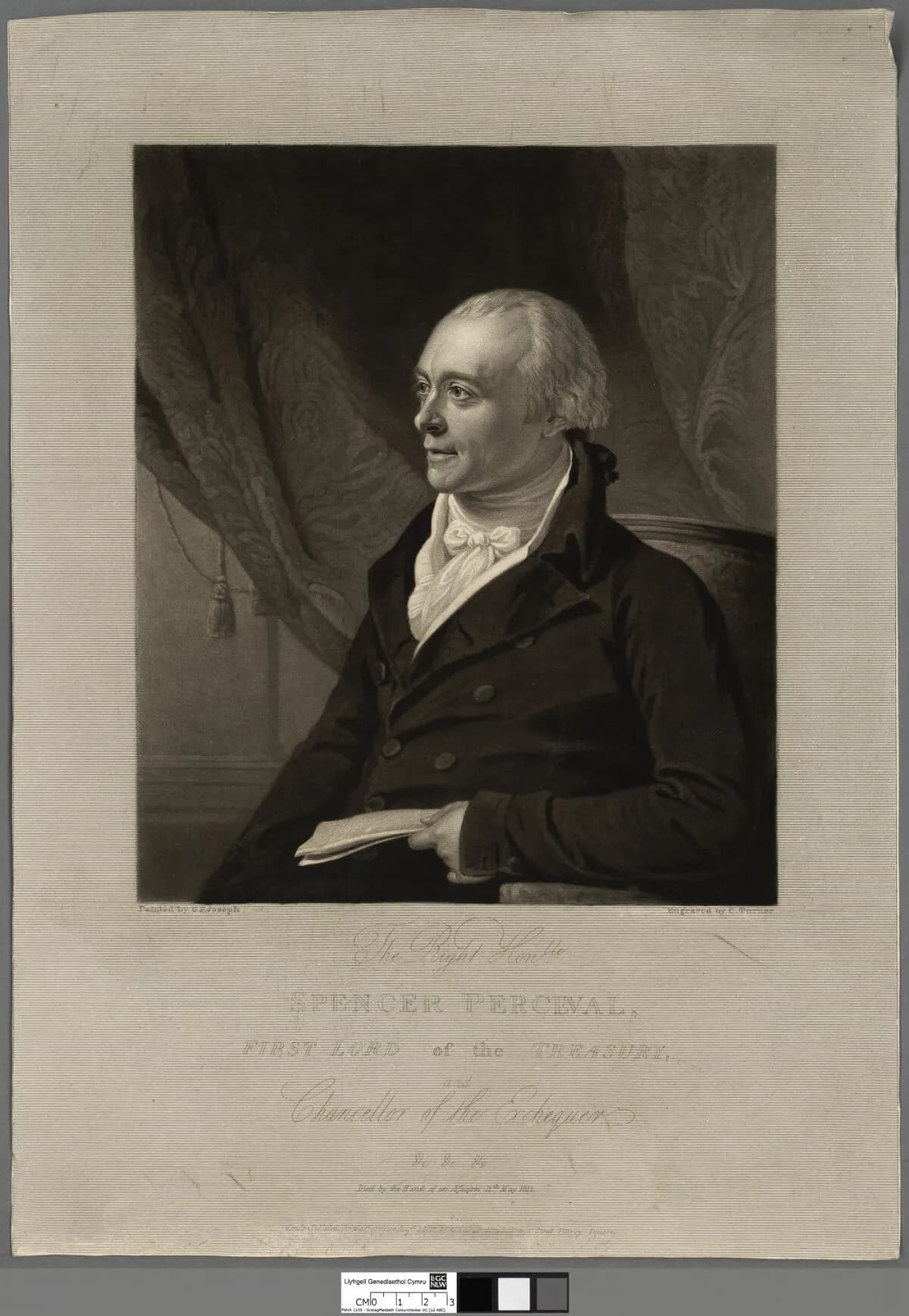
In 1808, a 17th-century house named Elm Grove in Ealing became the country residence of Spencer Perceval, the man who would become the only British Prime Minister ever to be assassinated. Four years after settling in the borough, Perceval was shot dead in the lobby of the House of Commons, a murder that sent shockwaves through the nation and left his family seeking refuge in the Ealing home he had purchased for their wellbeing.
Elm Grove: A Family Sanctuary
Perceval acquired Elm Grove in 1808, borrowing £7,500 from his brother Lord Arden and trustees of his wife Jane's dowry to secure the property. The move was born of necessity rather than political calculation. Following the birth of their youngest child, Ernest Augustus, Jane Perceval had fallen seriously ill. The family's previous residence at Belsize House in Hampstead was damp and draughty, and physicians advised a move to healthier surroundings.
Ealing, then a rural village on the western edge of London, offered cleaner air and a more salubrious environment. Elm Grove, with its 17th-century origins, provided the country retreat the family required. It was from this Ealing base that Perceval would commute to Westminster, serving simultaneously as Prime Minister and Chancellor of the Exchequer from October 1809 until his death.
A Political Career of Contradictions
Perceval's ascent to the premiership followed a conventional path through the legal and political establishments. Born in Mayfair on 1 November 1762, he served as Solicitor General (1801-1802), Attorney General (1802-1806), and represented Northampton in Parliament from 1796 until his death. His evangelical faith shaped his politics profoundly; he opposed Catholic emancipation whilst championing the abolition of the slave trade, ensuring the passage of the Slave Trade Act 1807.
As both Prime Minister and Chancellor, Perceval financed the war against Napoleon through loans rather than tax increases, a policy that proved economically successful during 1808 and 1809. He also insisted on maintaining Wellington's army in Portugal despite considerable opposition, a strategic decision that helped shape the eventual defeat of French forces in the Iberian Peninsula.
The Assassination
On the evening of 11 May 1812, at approximately 5:15 pm, Perceval was shot once in the chest as he entered the lobby of the House of Commons. The assassin, John Bellingham, a Liverpool merchant, fired a single shot from a .50 calibre pistol he had purchased on 20 April from a gunsmith on Skinner Street.
Bellingham's grievance was personal rather than political. Between 1804 and 1809, he had been imprisoned in Russia over an alleged debt, and he believed the British government had failed to provide adequate diplomatic assistance or compensation. Between 1809 and 1812, he had petitioned the Foreign Office, the Treasury, the Privy Council, and Perceval himself, only to have each appeal rejected.
On 18 April 1812, Bellingham had warned a Treasury official named Mr Hill that he would "take justice into his own hands." Hill reportedly replied that Bellingham should "do whatever he deemed proper." Three weeks later, he carried out his threat.
Perceval collapsed immediately, uttering his final words: "I am murdered!" or simply "Murder." He died within minutes.
Trial and Execution
Bellingham made no attempt to escape. An inquest held on 12 May 1812 at the Rose and Crown public house on Downing Street returned a verdict of "wilful murder by John Bellingham." His trial at the Old Bailey followed on 15 May, just four days after the assassination. Sir James Mansfield presided as judge, with Attorney General Sir Vicary Gibbs leading the prosecution. The jury found Bellingham guilty, and he was hanged at Newgate Prison on 18 May 1812, exactly one week after the murder.
The public reaction revealed deep divisions within British society. When Bellingham was transported from Westminster to Newgate, crowds attempted to shake his hand; some even mounted the coach. In manufacturing districts such as Manchester and Birmingham, news of the assassination was met with what contemporary accounts described as "crude delight." Perceval's Orders in Council had restricted trade and caused widespread economic hardship amongst the working poor, who viewed his death with something approaching relief.
The governing classes, by contrast, reacted with horror. Fearing general insurrection, the authorities deployed troops across the capital. Parliament granted Perceval's widow £50,000 and an annuity of £2,000 for her children. Significantly, Perceval's Orders in Council were reversed shortly after his death.
The Ealing Connection Continues
Though Elm Grove itself was eventually demolished, its physical legacy survives in an unexpected form. The pedestals from Perceval's former Ealing residence were salvaged and reused in the Ealing War Memorial, unveiled in 1921 at Pitzhanger Manor on Ealing Green. Designed by Leonard Shuffrey, the memorial bears the inscription "In proud and grateful memory of the men of this borough who laid down their lives in the Great War 1914-1918." The structure thus creates a tangible link between a Prime Minister's country home and the borough's remembrance of its war dead.
The Perceval family's association with Ealing extended beyond the Prime Minister's lifetime. In 1843, Pitzhanger Manor itself became home to Perceval's daughters, maintaining the connection between this prominent political family and the borough for decades after the assassination.