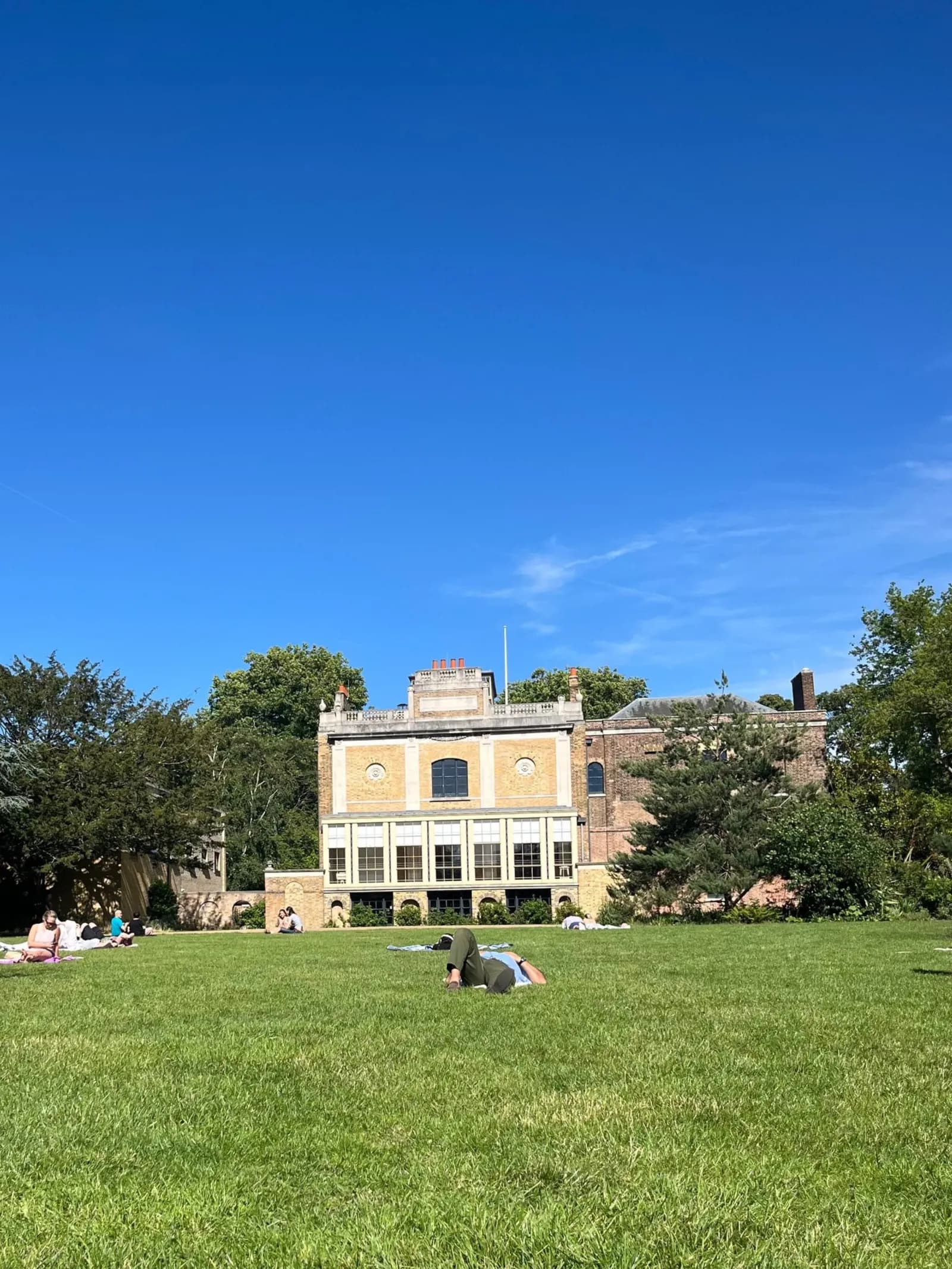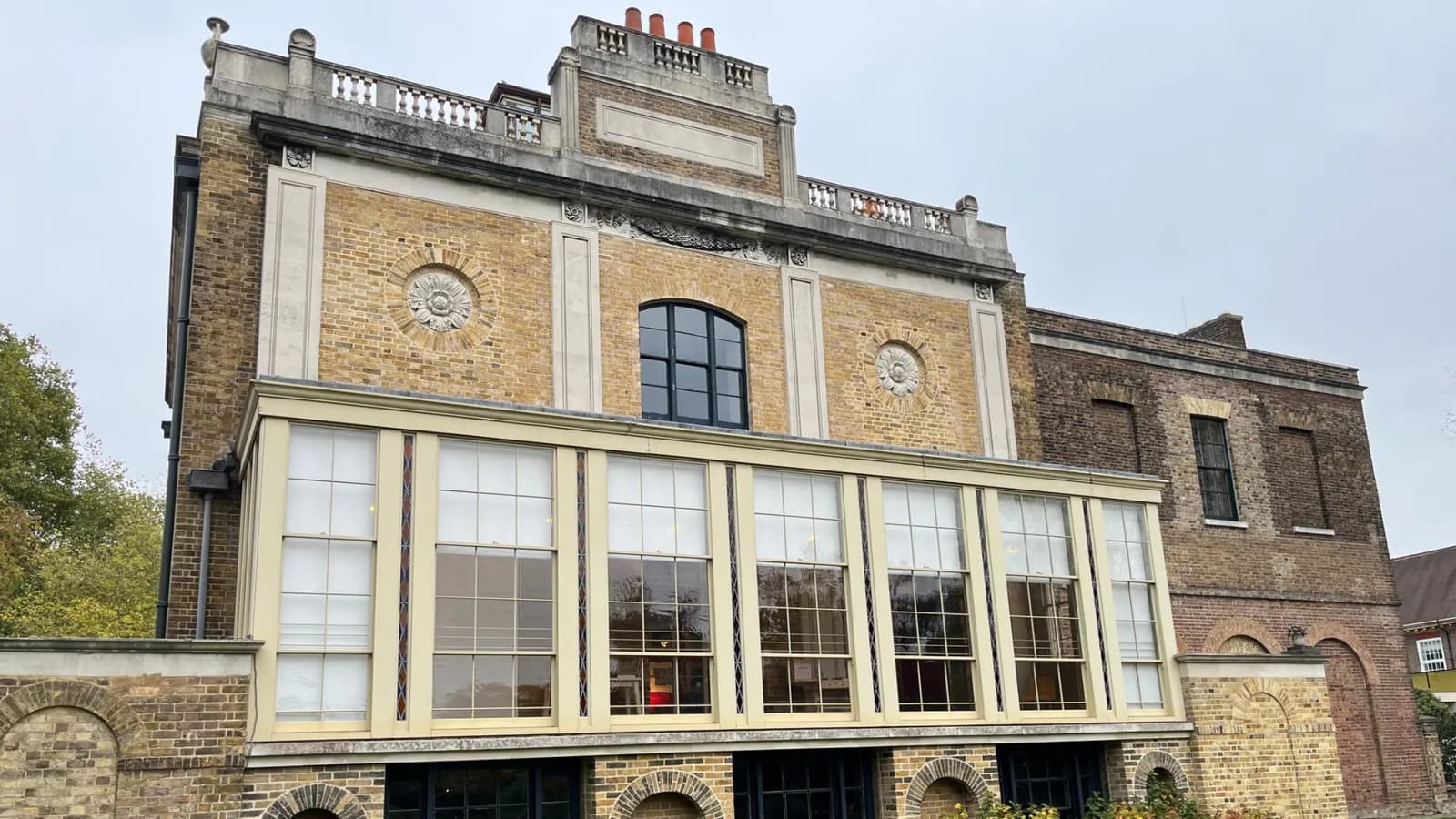
Nestled beside the leafy surroundings of Walpole Park stands one of Ealing's most iconic historic buildings. With its elegant neoclassical veneer, intricate interiors and intriguing history, Pitzhanger Manor offers visitors a glimpse into a time when Ealing was but a rural village on the fringe of London.
Yet behind its grand exterior lies a rather more personal story. Once the country retreat of Sir John Soane, one of Britain's most renowned architects, Pitzhanger was intended to be more than a holiday home. It was an architectural experiment, a showcase for an extraordinary art collection and above all, the foundation of a family legacy that would never quite materialise.
From rural Ealing to an architect's dream
Long before Ealing became synonymous with its film studio and leafy residential streets, it was a rural settlement surrounded by countryside and country estates.
Born in 1753, John Soane would go on to become one of the most celebrated architects of his generation. In 1800, he purchased the Pitzhanger estate.
By then an established architect, he envisioned transforming the property into an idyllic country retreat for his family, away from the demands of central London. Between 1800 and 1804, Soane extensively rebuilt the house and the result was a residence that was both deeply personal and architecturally ambitious.
A home designed to impress
For Soane, Pitzhanger was never intended to serve as an ordinary country house. It was an opportunity to demonstrate his architectural ambition without restrictions.
The house became a showcase for his distinctive approach to neoclassical design, combining classical architectural influences with innovative uses of light, space and decorative detail.
Soane was particularly interested in how natural light could transform the experience of a building. Domed ceilings, strategically positioned windows and unconventional spatial arrangements helped construct interiors that felt both intimate and theatrical.
The house also served a professional purpose. Soane entertained influential guests and prospective clients at Pitzhanger, using his home to showcase his architectural talents.
He had equally ambitious plans for his family, hoping that his sons, John and George, would follow in his footsteps and establish a dynasty of architects. Unfortunately for Soane, neither son would fulfil his expectations.
A Rake's Progress: Art imitating life
Among the artwork once displayed at Pitzhanger was an extraordinary series of eight paintings by the celebrated eighteenth-century artist William Hogarth, entitled A Rake's Progress. The paintings were bought by Soane's wife Eliza and displayed prominently in the Manor's Small Drawing Room.
Created in 1735, Hogarth's satirical series follows the fictional Tom Rakewell, a young man who inherits a substantial fortune before squandering it away and eventually finding himself imprisoned. However, the story behind this work would later acquire an unexpectedly personal significance for Soane. His younger son George developed a reputation for accumulating debts and pursuing a liberal lifestyle, which his father strongly disapproved of. George's financial difficulties eventually led to his own imprisonment, drawing striking parallels with Hogarth's fictional protagonist.
The similarities between George's experiences and those of Tom Rakewell has since become one of the most intriguing aspects of Pitzhanger's history. Following the sale of the Manor in 1810, the original artwork was relocated to Soane's main London residence at Lincoln's Inn Fields, where they remain part of the Sir John Soane's Museum. Today, visitors to Pitzhanger can still admire a complete series of framed eighteenth-century engravings of A Rake's Progress, displayed against the vivid red walls of the drawing room where the original paintings once hung.
The family tragedy behind closed doors
Although Soane enjoyed considerable professional success, his personal life was marked by disappointment and tragedy.
His relationship with George became increasingly strained as the young man's financial troubles continued. In 1815, following his release from the King's Bench Prison, George anonymously published two articles in The Champion newspaper, fiercely criticising his father's architectural work. The articles caused an irreconcilable rift within the Soane family.
When Eliza Soane discovered that her son was responsible, she reportedly exclaimed:
"These are George's doings – he has given me my death blow – I shall never hold up my head again."
Eliza had already been suffering from ill health and in 1815, she died following complications of gallstone disease.
The architect's sorrow was profound. Her death devastated Soane, who had been married to Eliza for over thirty years.
Soane solely blamed George for the distress he believed had contributed to her death, rather than the underlying medical cause.
The family's misfortunes did not end with Eliza's death. John and Eliza's eldest surviving son, John, died of tuberculosis in 1823. At the end of his life, it was sadly apparent to Soane that he would not leave behind the architectural family dynasty he had once envisioned.
A cultural landmark for modern Ealing
Since then, particularly in the nineteenth and twentieth centuries, Pitzhanger underwent numerous alterations, concealing many of Soane's original decorative schemes.
In 2015, the Manor closed for a large-scale restoration project intended to return the building as closely as possible to its appearance during Soane's ownership. In March 2019, Pitzhanger Manor & Gallery finally reopened to the public, allowing visitors to experience Soane's designs in a form that had not been seen for more than 175 years.
Today, Pitzhanger Manor is recognised as a Grade I listed building. The Manor and its adjoining gallery provide a meeting point between Ealing's past and present, combining the preservation of historic architecture with exhibitions by contemporary artists.
Its exhibition programme has featured internationally recognised names including Anish Kapoor and Grayson Perry. In 2024, Perry's The Vanity of Small Differences, a series of tapestries inspired by Hogarth's A Rake's Progress, was exhibited at Pitzhanger, bringing the story of the original paintings back into the house in a distinctly contemporary form.
The surrounding Walpole Park also forms an important part of the Manor's history.
Previously serving as the grounds of Soane's country estate, the landscape is now a beloved public park, with surviving features and historical associations that connect today's Ealing to its Georgian past.
Perhaps what makes Pitzhanger most special is the contrast between the grandeur of its architecture with the deeply flawed, scandalous but human stories behind its creation.
What began as one architect's dream of establishing a family legacy ultimately became something rather different.
But now it endures as a cultural landmark belonging not to one family, but to the wider community.
Behind those once private doors lies not only the story of one of Britain's greatest architects, but a remarkable chapter in Ealing's own history.